Ego vs Authentic Self: How to Tell the Difference

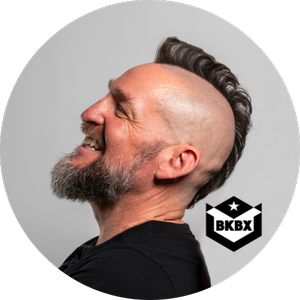
Zachary Pike Gandara, Founder of BreakBox Integration Institute
There is a version of you that performs, and a version of you that is real. Most people spend decades mistaking the first for the second. You build the career, earn the approval, keep the mask polished — and somewhere underneath it all, a quieter voice keeps asking when you're going to come home to yourself.
That voice is your authentic self. The mask is your ego. Learning to tell them apart is the difference between a life you manage and a life you actually live.
I've lived on both sides of that line. This is what I've learned about crossing it.
How Do You Tell the Difference Between Ego and Authentic Self?
Your ego is the self that formed to survive. Your authentic self is the one that was here before you had to survive anything.
The ego runs on fear — fear of rejection, failure, and not being enough. The authentic self moves from love, curiosity, and genuine desire. That's the core distinction, and everything else grows out of it.
Here's the part most people miss: the ego is not your enemy. It built itself out of real wounds and real intelligence. It kept you safe when you were small and the world felt big. The problem isn't that you have an ego. The problem is that you handed it the wheel and forgot you were in the car.
The Ego Is a Protection Strategy, Not a Character Flaw
When I work with high-capacity people who feel successful and empty at the same time, the pattern is almost always the same. Somewhere early, they learned that love was conditional. That being fully themselves wasn't safe. So they built a self that could be approved of instead.
That self is brilliant. It's strategic. It got results. And it's exhausting to maintain, because it's built on a lie — the lie that you are only as good as your last achievement, your appearance, or how much the room approves of you.
When the ego is driving, you'll recognize it by the texture of your days:
You strive for perfection so no one has a reason to reject you.
You scan constantly for approval and feel unsettled without it.
You get anxious or insecure the moment life stops going to plan.
You avoid change, because failure feels like exposure.
None of that makes you weak. It makes you someone whose protection worked. But protection that outlives its purpose stops being safety and starts being a cage.
The ego kept you alive. It was never meant to run your life.
Why We Lose Contact With the Authentic Self
The authentic self doesn't leave. It gets buried.
Look at this through the lens of the unconscious and it becomes clear: everything you were told was unacceptable about you — your anger, your softness, your desire, your need — didn't disappear when you hid it. It went into shadow. And the ego took over the job of keeping it there, because being fully seen once cost you something you couldn't afford to lose.
Your nervous system remembers that cost. This is not just a mindset issue — it lives in the body. The bracing, the armoring, the low hum of vigilance that never fully switches off. You can affirm your worth all day long, but if your body still believes it's unsafe to be real, the ego stays in charge.
This is why insight alone rarely frees anyone. You don't think your way back to your authentic self. You have to feel your way back, in the body, where the protection actually lives.
The Complete Ego vs. Authentic Self Comparison
I built the chart below so you have something to return to. When you catch yourself spiraling, use it to name which self is speaking. Naming it is the first act of freedom — you can't choose differently until you can see clearly what's running.
Move through it slowly. Notice which lines land in your body, not just your head. The ones that make you flinch are usually the ones pointing home.
The Ego
The false, protective self
The Authentic Self
Who you truly are
BreakBox Coaching · Find the Box → Unlock → Empty → Break → Step Outside
What the Ego Is Actually Costing You
Let's be honest about the price, because the ego is expensive and it charges you quietly.
It costs you your leadership. A leader run by ego is managing an image instead of telling the truth, and people feel the difference even when they can't name it. Your presence gets thinner. Your decisions get slower, tangled in what others will think.
It costs you your relationships. You can't be met behind a mask. The people closest to you are in a relationship with your performance, and some part of you knows it — which is why success can feel so lonely.
It costs you your aliveness. The same armor that blocks the pain blocks the joy. You go numb on the good stuff to stay safe from the hard stuff. That's the real tragedy of ego-driven living: not that it fails, but that it works, and leaves you successful and unreachable.
This isn't meant to shame you. It's meant to be honest with you. The discomfort you feel reading this is not a problem — it's your authentic self, still in there, still awake.
The Way Through: Coming Home to Your Authentic Self
You don't defeat the ego. You thank it, and you take back the wheel. Here's the path I walk people through.
Notice the pattern in real time. The moment you feel the grip of fear, get curious instead of reactive. Ask: am I choosing this, or am I protecting? Awareness breaks the autopilot the ego depends on.
Question the story underneath. The ego runs on scripts like "I'm not good enough" or "I have to be perfect to be loved." Those aren't truths. They're old survival conclusions. Meet them, then choose a truer one.
Meet yourself with compassion, not criticism. You cannot shame your way to authenticity. Every time you turn on yourself, the ego gets stronger, because self-attack was one of its original tools.
Set boundaries that honor you. Stop saying yes out of guilt. A clean no is not rejection — it's self-respect made visible. Every honest boundary is a vote for your real self over your performed one.
Then do the part most people skip — get into the body. Here's a simple entry point you can use right now:
Sit down. Put one hand on your chest. Take three slow breaths and ask yourself a single question — "What am I protecting?" Don't answer with your mind. Wait for the body to respond. A tightening. A heat. A wave of something. That sensation is the doorway. Stay with it for sixty seconds without fixing it. That's where the real work lives — beneath the story, in the place the ego has been guarding all along.
You were never broken. You were guarded. And what is guarded can be unguarded, with enough safety and enough truth.
What Becomes Possible When You Live From Your Authentic Self
This isn't about becoming a calmer, more spiritual version of your performance. It's about the performance no longer being necessary.

A person living from their authentic self has a different quality of presence. Steady. Unhurried. Rooted. They don't need the room to approve of them, so they can actually be with the room. Their yes means something because their no is real.
They feel again — the full range, not just the manageable parts. Challenges still come, but they meet them with resilience instead of panic, because their worth is no longer on the table every time something goes wrong.
And their life starts to line up with what they actually value, instead of what they were told to want. That's the freedom on the other side of this work. Not a smaller life. A truer one.
This is what I mean when I say: stop shrinking your fire, and stop escaping it. Widen it. Ground it. Embody it with integrity. The world doesn't need less of you. It needs the real you, fully here.
Frequently Asked Questions
What is the difference between the ego and the authentic self?
The ego is the protective self that formed in response to early wounds, social pressure, and the need to belong. It operates from fear and seeks safety through approval, achievement, and control. The authentic self is who you are beneath that protection — it moves from love, curiosity, and genuine desire, and it doesn't need external validation to feel whole. The ego manages an image; the authentic self simply is.
Is the ego bad?
No. The ego is not bad and it is not your enemy. It developed to protect you, and at one point it genuinely kept you safe. The goal isn't to destroy the ego but to stop letting it run your entire life. When you understand and thank the ego rather than fight it, you can gently take back the wheel.
How do I know if I'm operating from ego or authenticity?
Check the driver underneath your choices. If you're acting to avoid rejection, chase approval, or stay safe from discomfort, that's usually ego. If you're acting from genuine desire, values, and curiosity — even when it's vulnerable — that's your authentic self. The body is a reliable signal: ego tends to feel tight, braced, and anxious, while authenticity feels more open, grounded, and clear.
Can you shift from ego to authentic self on your own?
You can begin on your own through awareness, honest reflection, boundary-setting, and body-based practices that help you feel what the ego has been guarding. That said, because these patterns live in the nervous system and often trace back to early wounding, many people move faster and go deeper with skilled support. The work is about creating enough safety in the body that being real no longer feels dangerous.
Why does living authentically feel so uncomfortable at first?
Because your system learned long ago that being fully yourself wasn't safe. Vulnerability triggers the exact protection the ego was built to provide, so early authenticity can feel exposing or even threatening. That discomfort isn't a sign you're doing it wrong — it's a sign you're moving through the very edge the ego has been defending. On the other side of that edge is freedom.
Ready to Come Home to Yourself
You don't have to keep managing a self that was never really you. If you're ready to break free from the ego's grip and step into grounded, embodied leadership, I'll walk with you through it.
Fill out the application and book your assessment and let's find the part of you that's ready to stop protecting the life that's asking to die.
With you through the transformation,

Zachary Pike Gandara
𝕻𝖊𝖗 𝖙𝖊𝖓𝖊𝖇𝖗𝖆𝖘 𝖆𝖉 𝖑𝖚𝖒𝖊𝖓 🕯️
Through darkness, into light.